


SEO
The way people search online has changed dramatically over the past few years. Today, smartphones have become the primary device for browsing the internet, finding local businesses, shopping online, reading reviews, and making purchasing decisions. Whether someone is looking for a nearby restaurant, comparing digital marketing agencies, or searching for emergency services, their journey almost always begins on a mobile device. This shift has made mobile search engine optimization (Mobile SEO) one of the most important aspects of any successful digital marketing strategy.
Google’s mobile-first indexing and the rapid rise of AI-powered search experiences have further transformed how websites are ranked and discovered. Search engines no longer evaluate only keywords and backlinks—they now prioritize websites that provide fast loading speeds, seamless mobile experiences, helpful content, and excellent usability. Businesses that fail to optimize their websites for mobile users risk losing valuable traffic, potential customers, and ultimately revenue.
At Rankvyn, we help businesses create high-performing websites that not only rank higher on search engines but also provide exceptional experiences for mobile users. In this comprehensive guide, we’ll explain everything you need to know about Mobile SEO in 2026, including Google’s latest ranking factors, AI search optimization, user experience improvements, and proven strategies to help your website generate more qualified leads.
What Is Mobile SEO?
Mobile SEO is the process of optimizing your website to deliver the best possible experience for users accessing your content through smartphones and tablets. It ensures that your website loads quickly, displays correctly on every screen size, and provides visitors with an easy way to navigate, consume information, and complete important actions such as making a purchase or submitting an inquiry.
Unlike traditional SEO, which mainly focused on desktop search, mobile SEO places user experience at the center of optimization. Every element of your website—from page speed and responsive design to navigation and content readability—must work together to create a smooth browsing experience on smaller screens.
Google now evaluates the mobile version of your website before the desktop version when determining search rankings. This means that if your mobile website is slow, difficult to navigate, or missing important content, your overall SEO performance can suffer regardless of how well your desktop website performs.
Modern mobile SEO also extends beyond search engines. AI-powered platforms such as Google AI Overviews, ChatGPT, Microsoft Copilot, and Gemini increasingly summarize information directly within search results. Websites that provide structured, trustworthy, and easily understandable content have a much better chance of appearing in these AI-generated responses, giving businesses another opportunity to increase visibility.
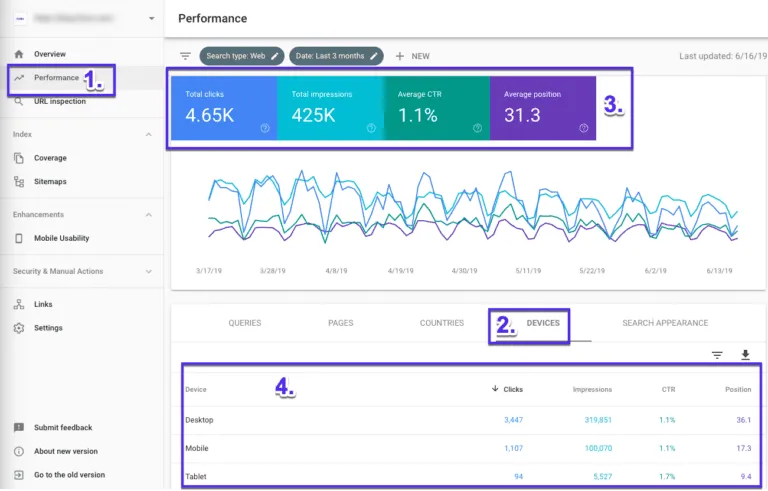
Why Mobile SEO Matters More Than Ever
Mobile internet usage continues to dominate the digital world. Millions of people rely on their smartphones throughout the day to search for products, services, directions, and answers to everyday questions. As a result, businesses must think of mobile devices as the primary platform for reaching potential customers rather than simply an alternative to desktop browsing.
Consumers also behave differently when searching on mobile devices. Mobile searches are often driven by immediate needs and purchase intent. Someone searching for “SEO agency near me” or “website development company” on a smartphone is generally much closer to making a decision than someone casually researching on a desktop computer. This makes mobile traffic significantly more valuable for businesses looking to generate qualified leads.
Google understands these behavioral patterns and rewards websites that prioritize mobile usability. Fast-loading pages, intuitive navigation, responsive layouts, and valuable content all contribute to higher rankings, longer session durations, and increased conversions. Businesses that invest in mobile SEO not only improve their search visibility but also build trust with visitors by providing a smooth and enjoyable browsing experience.
As AI continues to reshape search, mobile optimization has become even more important. AI systems analyze websites for clarity, structure, and user value before recommending them to users. Websites that combine excellent technical performance with informative content are more likely to appear in both traditional search results and AI-generated recommendations.

Understanding Mobile-First Indexing
One of the biggest changes in modern SEO is Google’s adoption of mobile-first indexing. Instead of evaluating the desktop version of your website first, Google now primarily uses the mobile version when crawling, indexing, and ranking your pages.
This change reflects how most people use the internet today. Since the majority of searches now occur on smartphones, Google wants its search results to reflect the experience users receive on mobile devices.
For businesses, this means the mobile version of every webpage must contain the same valuable content, metadata, images, and structured information as the desktop version. If important content is missing from the mobile experience, Google may not fully understand the purpose of your page, leading to lower rankings.
Responsive web design has become the preferred solution because it automatically adapts a single website to different screen sizes without requiring separate mobile URLs. This approach ensures consistency across devices while simplifying website management and improving SEO performance.
Regularly testing your website on multiple devices is equally important. Buttons should remain easy to tap, navigation menus should be intuitive, and all content should remain fully accessible regardless of screen size. Small usability issues can quickly discourage visitors, increasing bounce rates and reducing conversions.
The Role of AI in Mobile SEO
Artificial Intelligence has introduced a new dimension to search engine optimization. Instead of simply displaying a list of search results, AI-powered search engines increasingly provide direct answers, summaries, and recommendations based on information collected from multiple websites.
For businesses, this means ranking on Google’s first page is no longer the only objective. Your website must also provide content that AI systems can easily understand, summarize, and reference.
Clear headings, concise explanations, well-organized paragraphs, frequently asked questions, and structured data all help AI interpret your content more effectively. Rather than relying on keyword repetition, successful websites focus on answering users’ questions in a natural and informative way.
For example, instead of creating generic service pages filled with marketing language, businesses should explain what they do, who they help, how their process works, and why customers should trust them. This level of clarity benefits both human visitors and AI-powered search engines.
At Rankvyn, we believe that future-proof SEO combines traditional optimization techniques with AI-focused content strategies, allowing businesses to remain visible regardless of how search technology continues to evolve.
Core Web Vitals: The Foundation of Mobile Performance
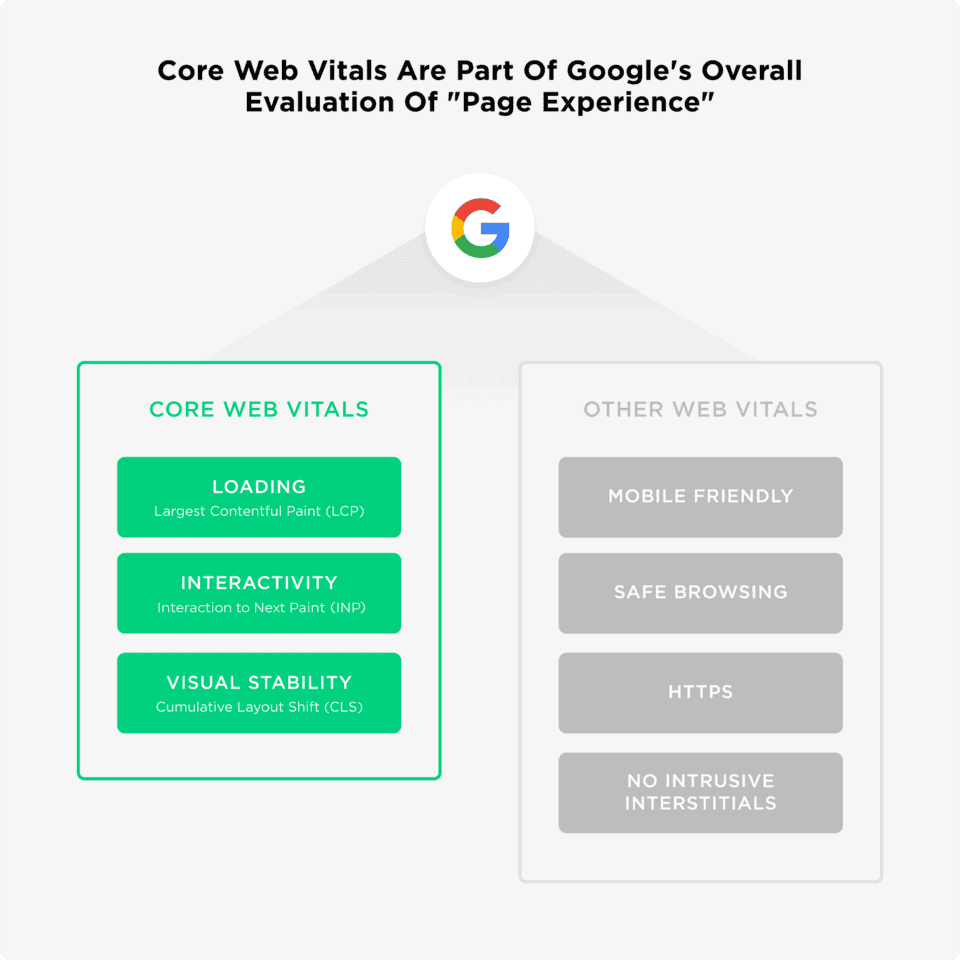
A fast website is no longer a luxury—it is an expectation. Mobile users expect pages to load almost instantly, and even small delays can lead to abandoned visits and lost sales. Google measures this experience using Core Web Vitals, a set of performance metrics that evaluate loading speed, responsiveness, and visual stability.
The first metric, Largest Contentful Paint (LCP), measures how quickly the main content becomes visible to users. Ideally, this should occur within 2.5 seconds to provide a positive experience.
The second metric, Interaction to Next Paint (INP), evaluates how responsive your website feels when users click buttons, fill out forms, or navigate through pages. Slow interactions create frustration and reduce engagement.
The third metric, Cumulative Layout Shift (CLS) measures how stable a webpage remains while loading. Unexpected movement of images, buttons, or text can result in accidental clicks and poor usability.
Improving these metrics involves optimizing images, reducing unnecessary JavaScript, enabling browser caching, compressing files, implementing lazy loading, and using reliable hosting infrastructure. Businesses that consistently monitor and improve Core Web Vitals benefit from stronger rankings, happier users, and higher conversion rates.
